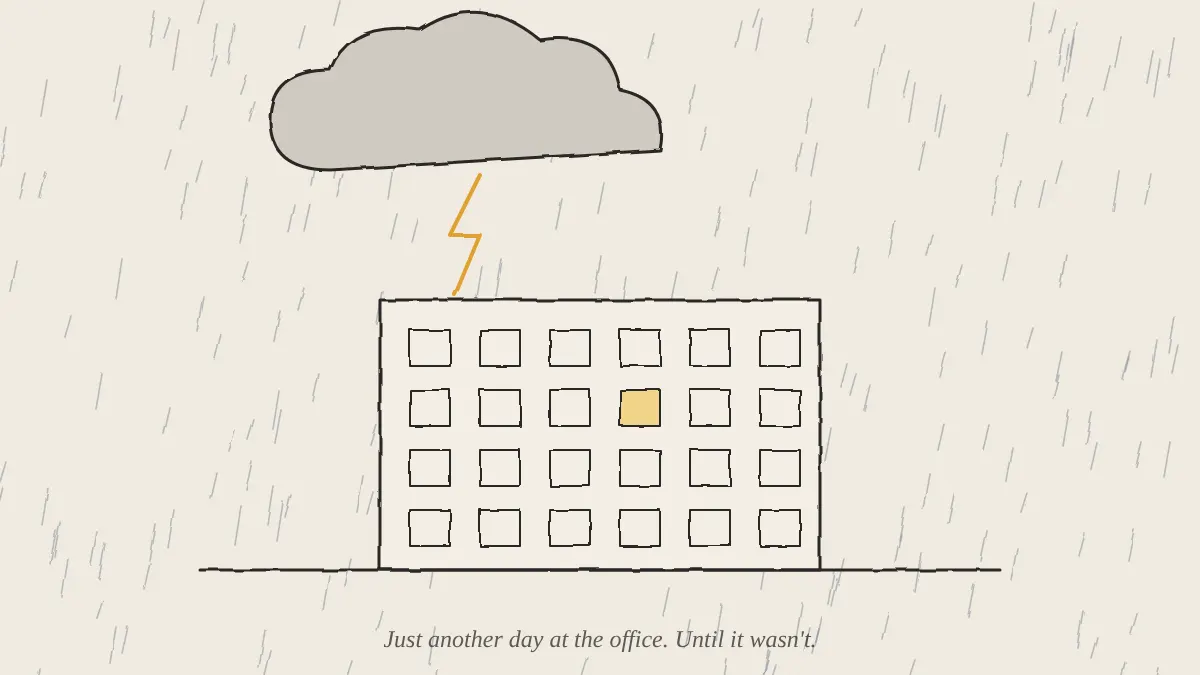
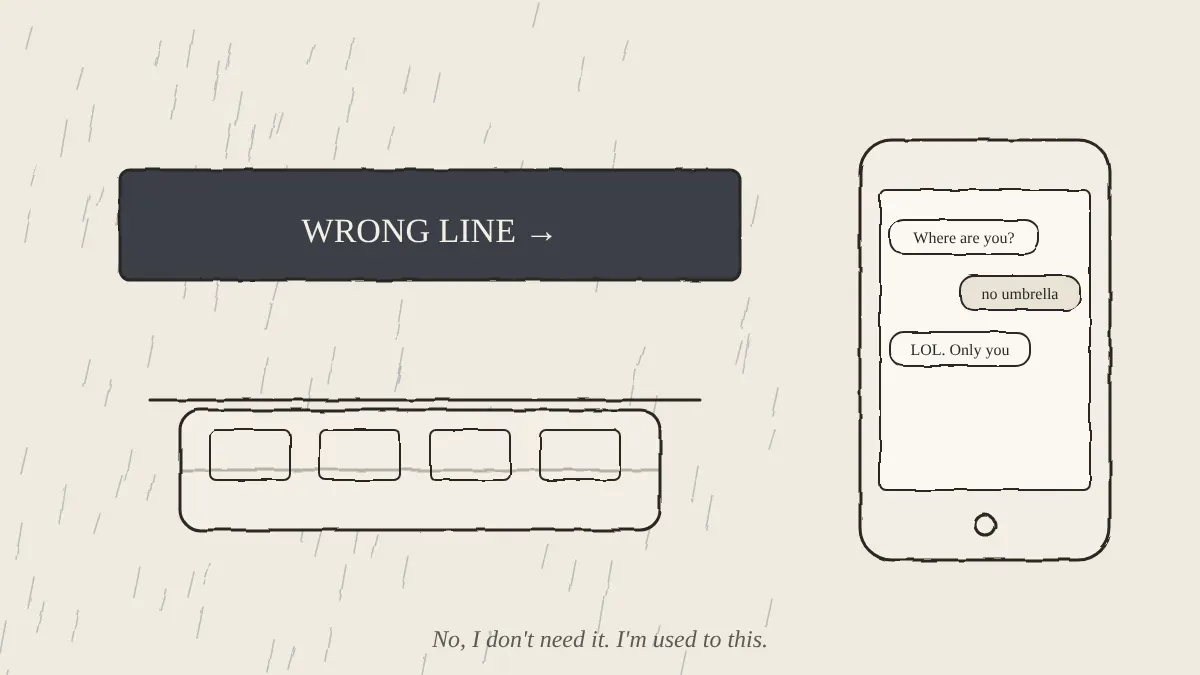
September 26th. The kind of day that starts off ordinary and unassuming but slowly morphs into something you can't predict, much less control. By 5 p.m., the rain started, tapping at the windows like a reminder of the storm brewing inside me. The downpour was relentless, pouring down in thick sheets, turning the streets into rivers and the city into a maze of waterlogged roads. Trains halted. Traffic gridlocked. The office felt more like an island, stranded and cut off from the rest of the world.
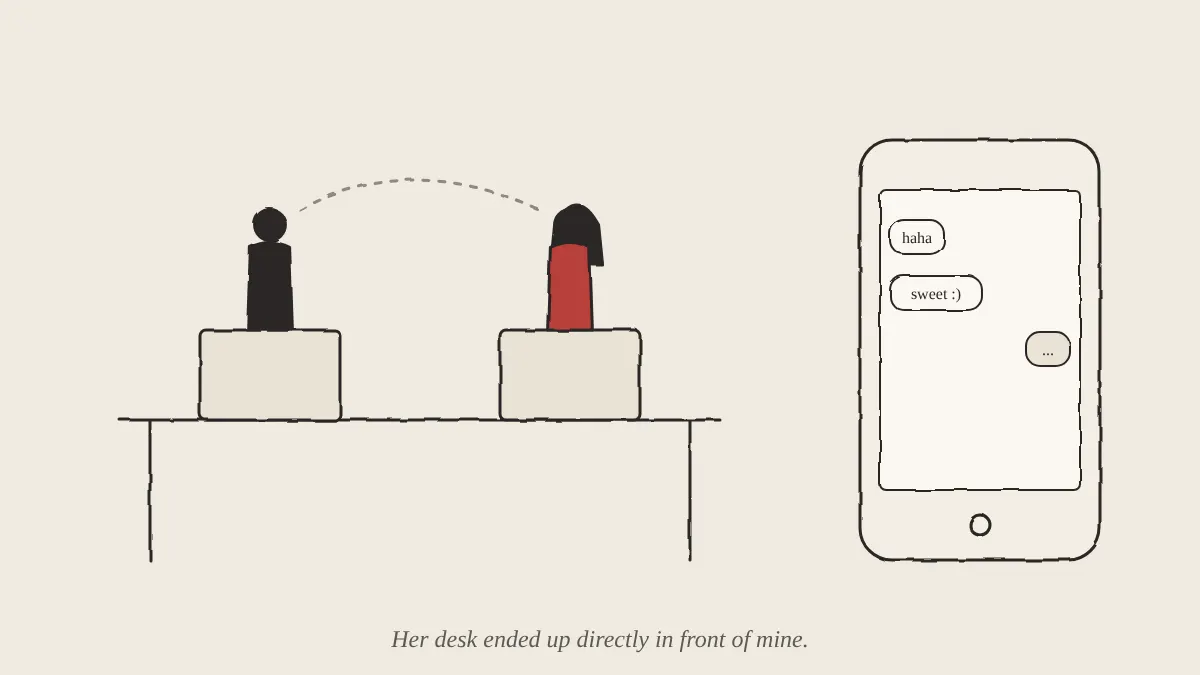
She was still there. Tamannah. Of course, she was. Only two girls had stayed back. The rest had long since found ways to leave. I could see the subtle tension in her eyes, the way she fiddled with her phone, trying to book a cab with no success. Everyone else in the office had turned the situation into a kind of impromptu game night—carrom, table tennis, lighthearted distractions. But I wasn’t interested in playing. Not tonight.
I tried. I really did. Tried to be the friend, the mentor, the senior she probably expected. But as I sat there, phone in hand, refreshing the cab apps endlessly, something felt different. There was an urgency, but it wasn’t just about getting her home safely. It was something deeper. Unspoken. Like the rain outside, building in intensity, something between us was pushing beyond the surface.
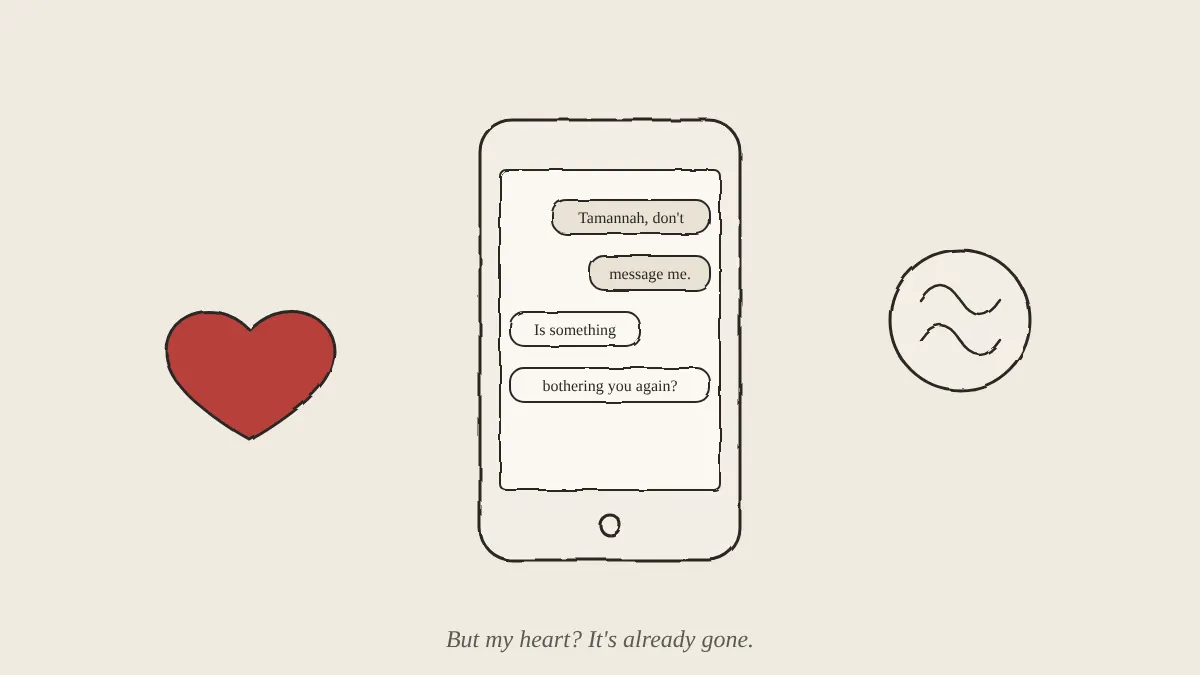
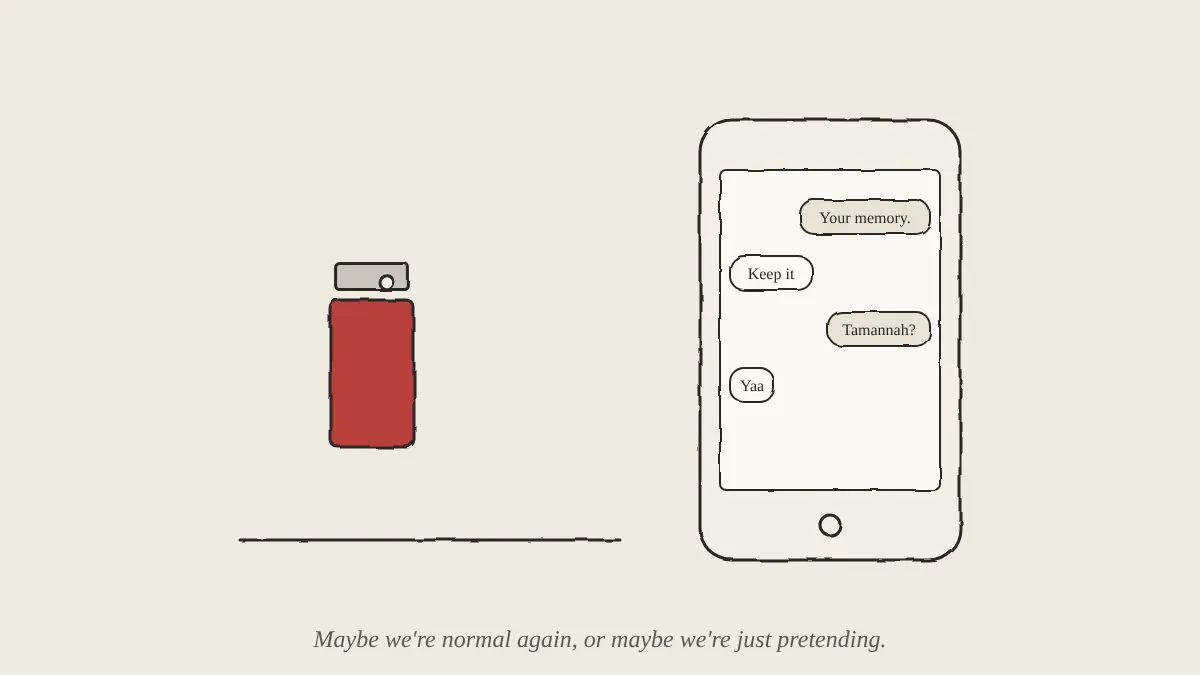
“Play,” she texted me. “Don’t worry about me.”
How could I not worry? It was her. But the message was another reminder of the growing gap between what I was supposed to do and what I was actually feeling.
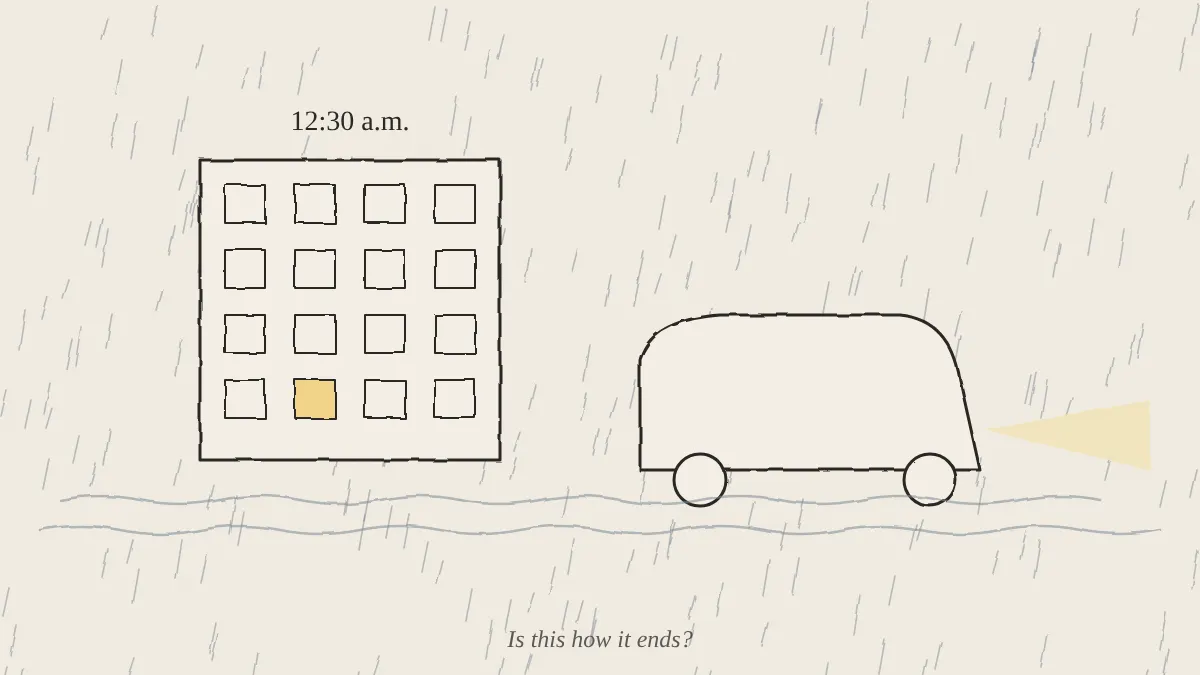
Finally, around 12:30, an auto showed up, and we made our way out into the storm, another colleague with us. We dropped him off first, the silence between us growing thicker with each passing kilometer. The usual casual exchanges felt hollow, like we were avoiding what was really going on. As we neared her stop, she turned toward me, her voice soft but clear.
“You’ll get home safe, right?” she asked, but I could see the flicker of something else in her eyes. It wasn’t just about safety.
I nodded. Of course, I would. But why did it feel like she wasn’t talking about just tonight?
When I got home, the rain had slowed but hadn't stopped. The city might dry up, but something inside me was still drowning. It was almost 1 a.m. when my phone buzzed with a message from her. She hadn’t even asked if I made it home safely. Furious, I typed back: “You could at least ask me if I got home safe.”
She replied almost instantly: “I was about to.”
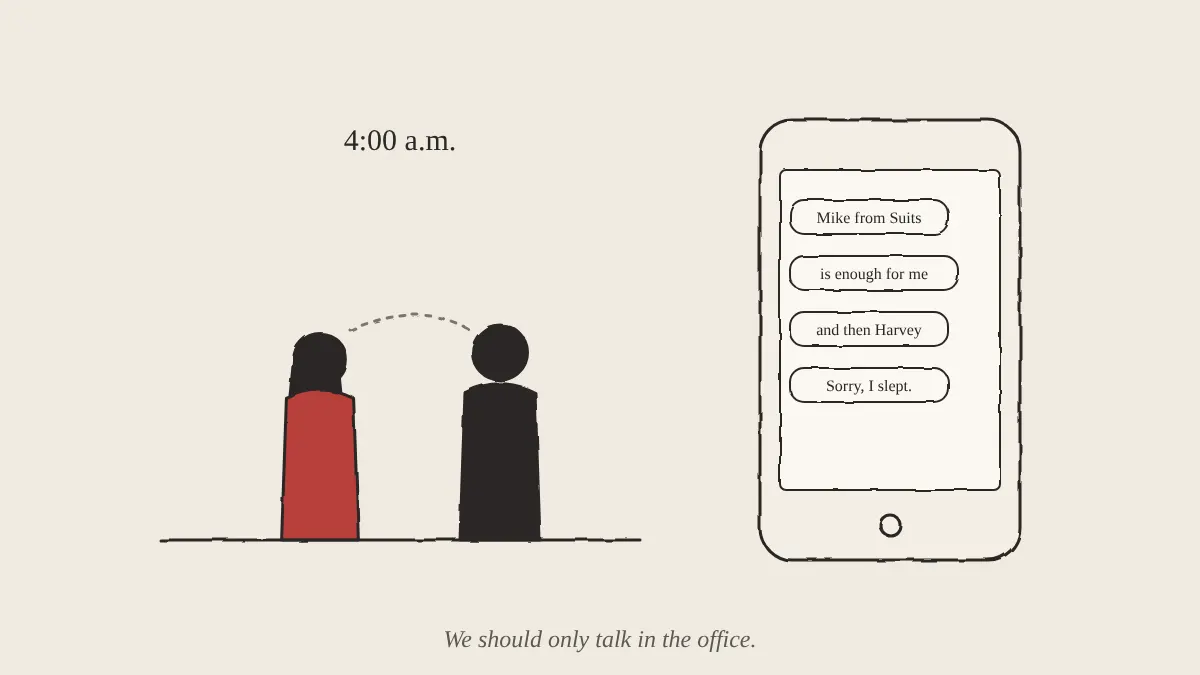
Her words lingered, but so did the tension. Like something unspoken was still waiting to be acknowledged. Our regular night chat resumed, but it wasn’t the same. I could feel it in every message—there was an invisible line, one we were both dangerously close to crossing.
The next morning, she was late, as expected. She told me she had been busy deciding what to wear, and I, being the practical guy I am, told her to wear something simple. Her response, though, was classic Tamannah: “I’d rather do the opposite.”
And she did. She walked into the office dressed in black with a pink jacket, radiating confidence. She looked stunning, as always, but today, there was something different in her stride, in the way her eyes lingered on me when she thought no one was looking. I wanted to look back, to acknowledge it, but I couldn’t. Not here. Not now. There were too many eyes, too many people who wouldn’t understand. So I buried myself in my work, as if pretending nothing was happening would make it true.
By 7 p.m., she was ready to leave. I knew she was going, but I couldn’t let it end like that. In a flash of frustration, I texted her: “Did you leave? Please don’t go.”
And she came back.
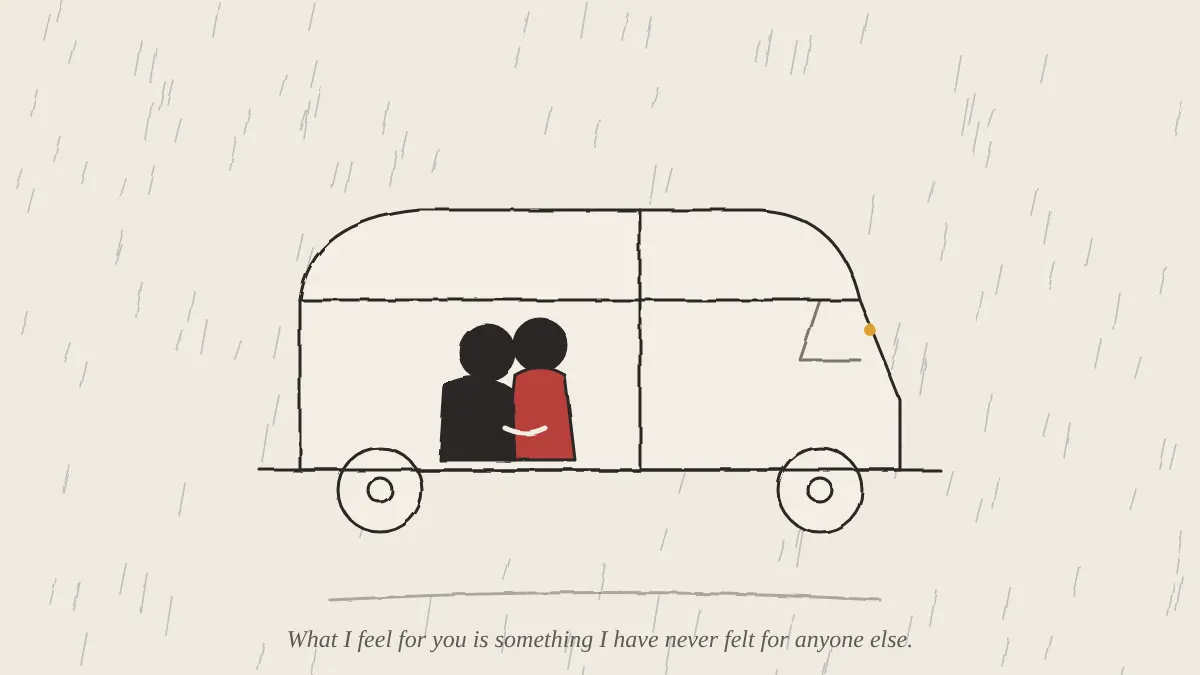
We left together. The rain had slowed to a drizzle, a faint echo of the storm that had raged just hours before. The streets were quieter now, as if they too were holding their breath, waiting for something inevitable. We walked side by side, both of us pretending not to notice the electricity in the air.
Then, just as I was about to drop her off, she stopped me. The look in her eyes wasn’t casual. It was deliberate. She took a deep breath, then said the words that changed everything:
“Andrew, let’s end whatever this is. You have a family. A wife. A kid. People will talk about you.”
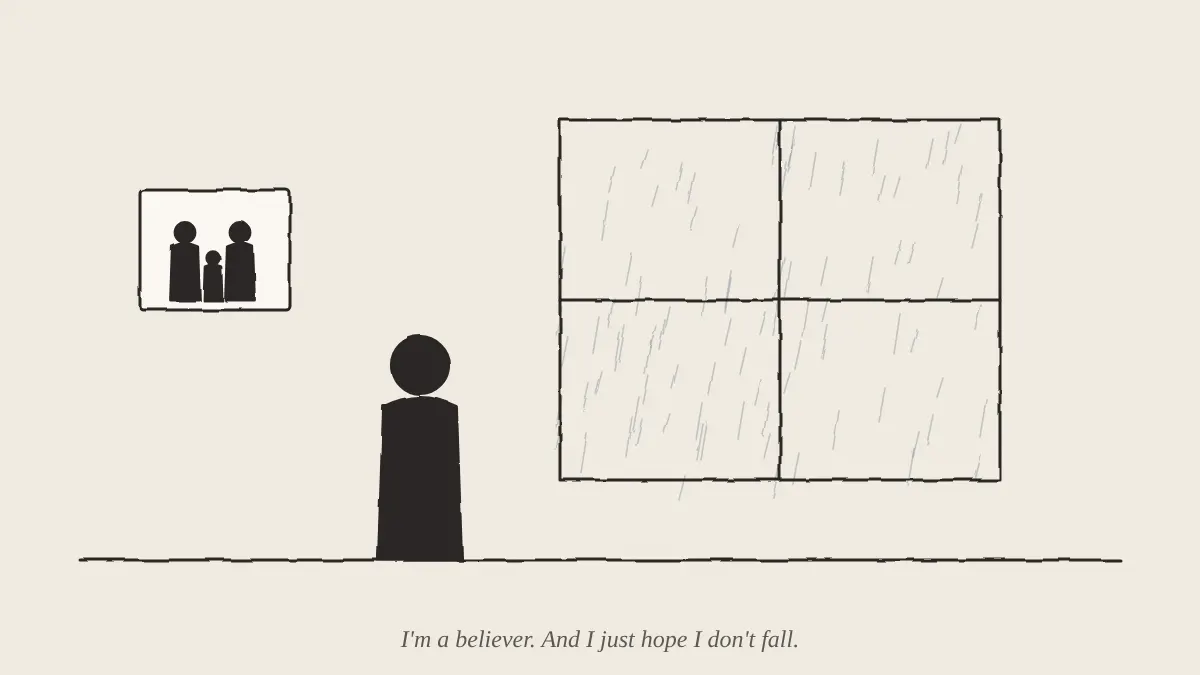
Her words hit me harder than I could have imagined. For a moment, I couldn’t breathe. It felt like the rain had started up again, pouring down, drowning me in confusion and pain. I knew she was right. I knew this had no future, not in the way we’d both been pretending it did. But hearing her say it, hearing her acknowledge the unspoken, was like ripping open a wound I wasn’t ready to face.
“I’ll be leaving soon, going back to my hometown,” she continued. “It’s for the best.”
I wanted to argue, to tell her she was wrong. But I couldn’t. All I could do was stand there, feeling the weight of everything I couldn’t say. She must have seen it in my eyes, the way I was breaking inside, because she smiled. But it wasn’t her usual smile. It was a smile that tried to hide the pain, to comfort me even when she couldn’t comfort herself.
“What do you think?” she asked.
I didn’t have answers. How could I? Ten times she asked, and each time I gave her the same empty reply: “I’m not used to talking like this.”
But I could feel it. She didn’t want to leave. Not really. And I didn’t want her to go. I wanted to tell her to stay, to forget everything and just be with me. But the words wouldn’t come. I wasn’t brave enough. Not tonight. Not like this.
“Please, just go home,” I said softly.
She looked at me one last time, her eyes searching mine for something—maybe the same hope I was looking for in hers. She wasn’t ready to leave, I could tell. Fighting with me, she said: “You leave first, only then will I.”
But the voice in my head kept telling me she didn’t want me to go, not really. Or maybe that was just my own wishful thinking, trying to fill the silence between us.
I pleaded: “It’s a request. Please leave. I don’t have anything else to say. Please, please, please leave.”
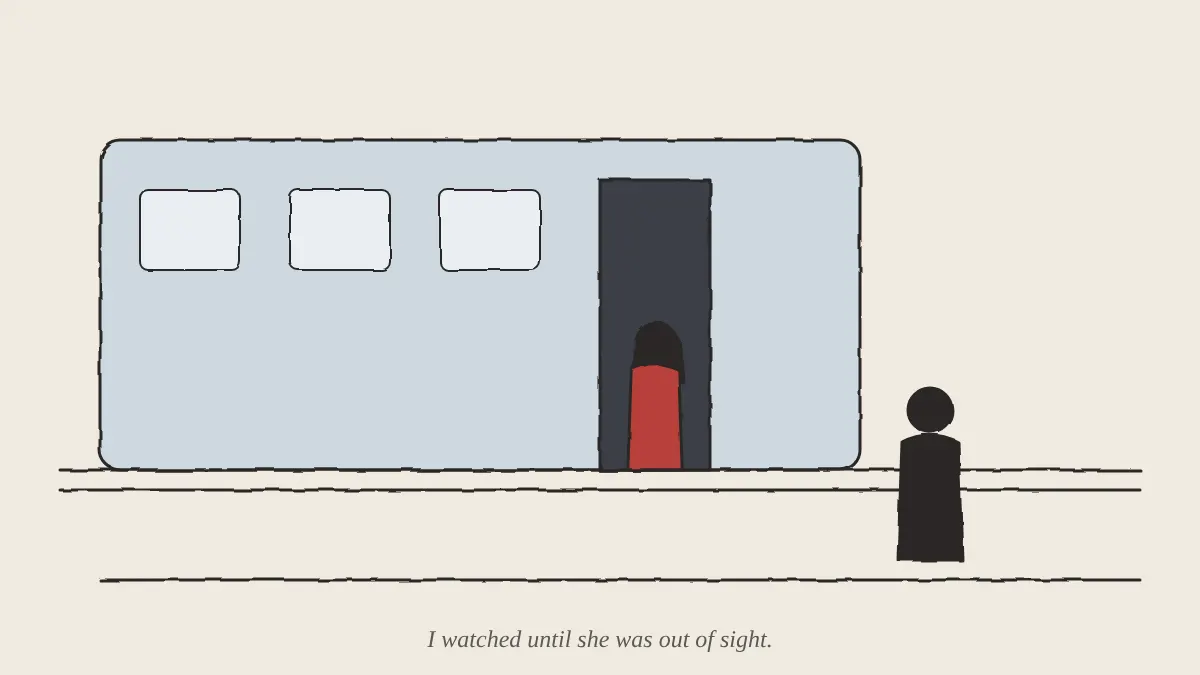
Finally, she did. She walked away, disappearing into the night, the sound of the rain slowly swallowing her footsteps.
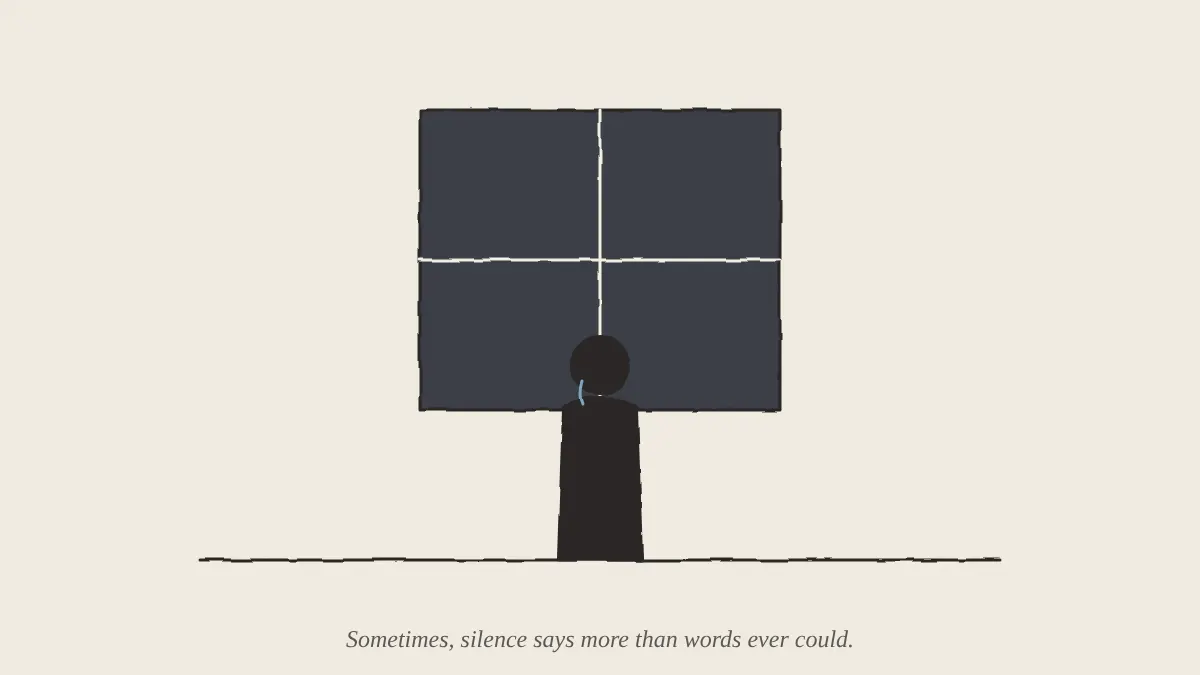
And here I am, heading home. The road is dark, the city asleep. I want to cry, but the tears won’t come. I want to scream, but my voice is lost in the downpour.
Is this how it ends?